Remember the Name
Kabir, Chaitanya, Tulsidas, Neem Karoli Baba and Premanand Ji all return to naam: the simple, repeated remembrance of God's name, available to anyone, anywhere, at no cost.
 GURUSHAKTINAAM · DAAN · SEVA
Twelve centuries of saints, singers and silent sages. Their lives, their teachings, and what they ask of us today.
A mystic is someone who claims no second-hand knowledge of God. They say they have seen, or been seen. India has produced such people in every century: a weaver in Kashi who said one word of love outweighs a lifetime of book-learning, a teenager at Nevasa who put the Gita into the Marathi of ordinary people, a temple priest at Dakshineswar who longed for the Divine Mother as a child cries for its mother, a blanket-wrapped baba in the hills of Nainital who urged everyone to feed the hungry.
This collection gathers 30 of them, from the 8th century to the present day. We chose them for three reasons: the depth of their realisation as their traditions remember it, the living lineage or practice they left behind, and the range of paths they show, from the Name sung in the street to silent self-enquiry. They are not ranked. They are grouped into five eras and listed in order of time within each.
Each page tells the life in plain words, sets out the core teachings, and ends with a few principles you can practise this week. Where history is uncertain, we say so. Where a story is told by devotees, we tell it as theirs.
Teachers who set down great schools of thought and practice: Advaita and Vishishtadvaita, the Nath yoga of the body, and the vachana poet of Karnataka who made daily work a form of worship.
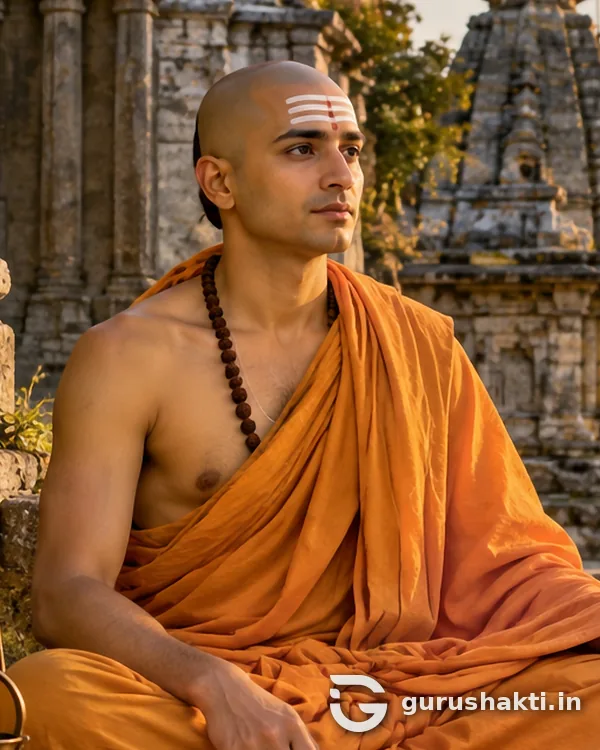
Your deepest self is the one consciousness behind all things; knowing this directly is freedom.
Read the life →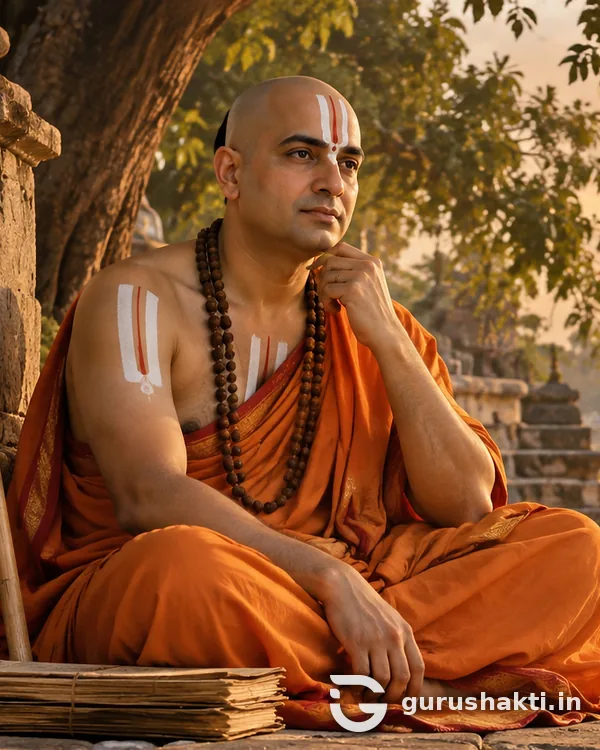
There is no way of emancipation other than surrender to the supreme Lord.
Read the life →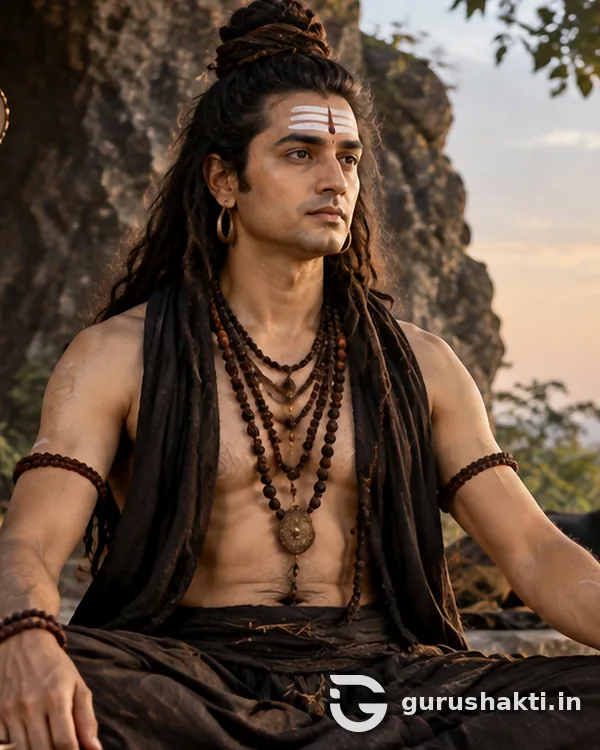
Laugh, play and hold to meditation; master body, breath and mind, and let the small self die.
Read the life →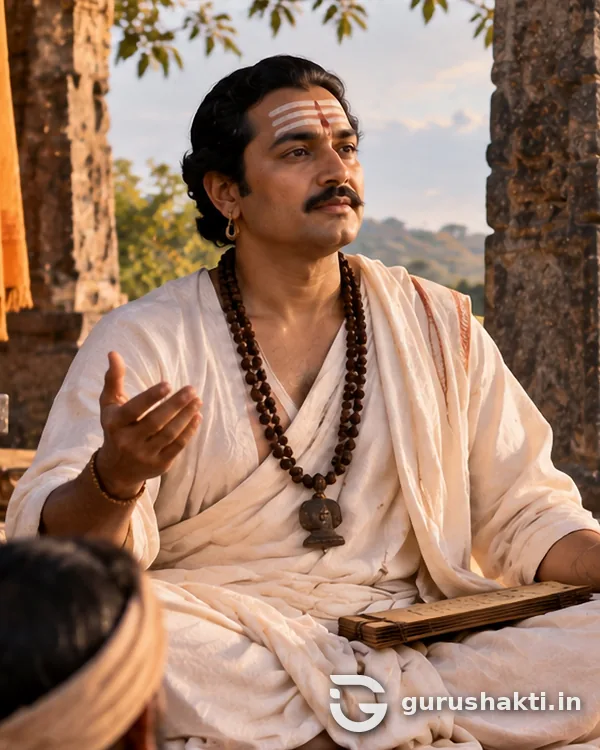
Work done with devotion is worship, compassion is the root of dharma, and no one is lower by birth.
Read the life →Poet-saints who took God out of Sanskrit and into the languages people spoke at home: Marathi, Braj, Awadhi, Bengali and Rajasthani. Their songs are still sung in temples, homes and on pilgrim roads.
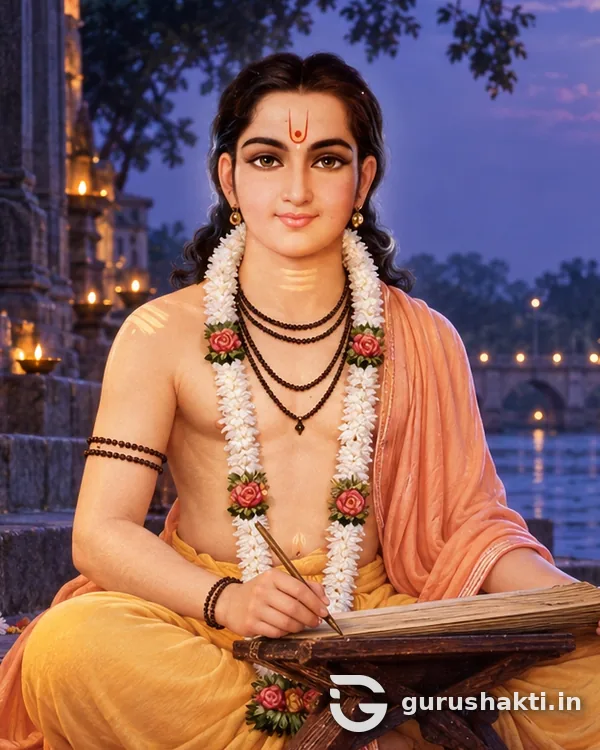
May the wicked shed their crookedness, and may all beings be friends.
Read the life →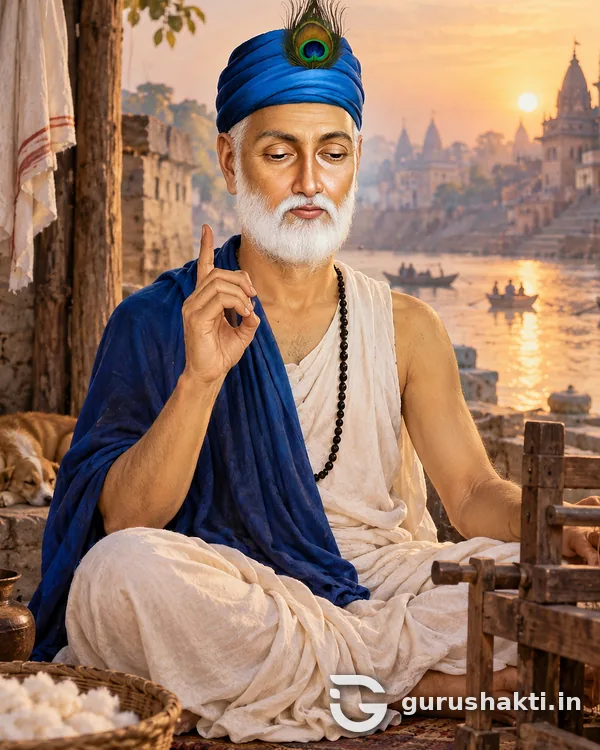
Ram lives in every heart, like musk in the deer; drop the ego and you will find him.
Read the life →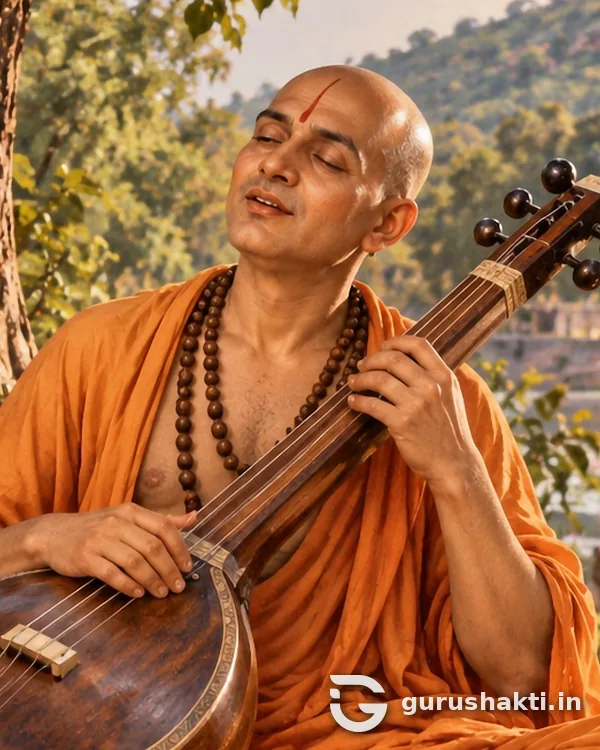
Love Krishna as a mother loves her child, and let every song you sing become a prayer.
Read the life →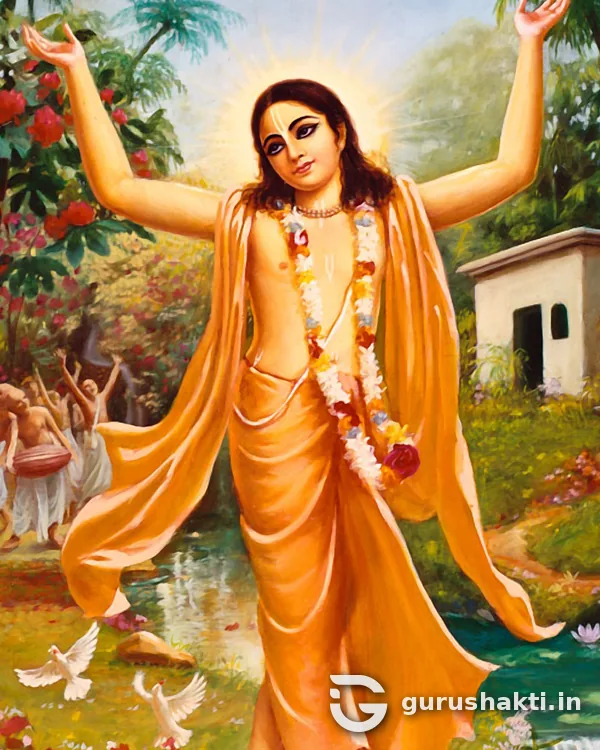
Sing God's names together, humbler than grass and patient as a tree, and ask only for love.
Read the life →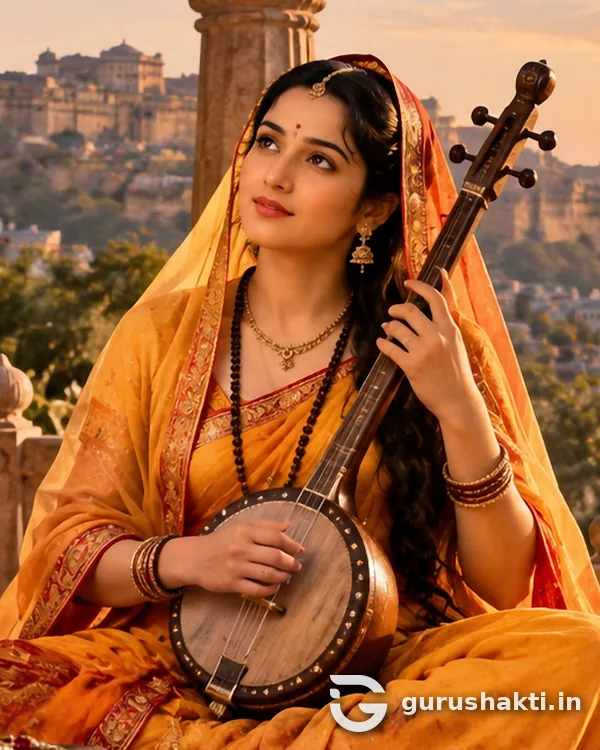
Love God as your own Beloved, with an undivided heart, and that love is the whole path.
Read the life →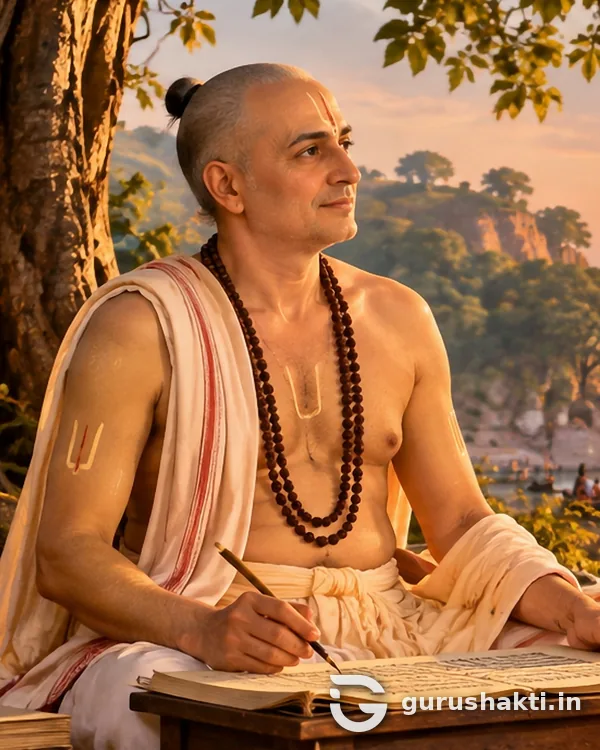
Know the whole world as filled with Sita-Rama, and bow to everyone with folded hands.
Read the life →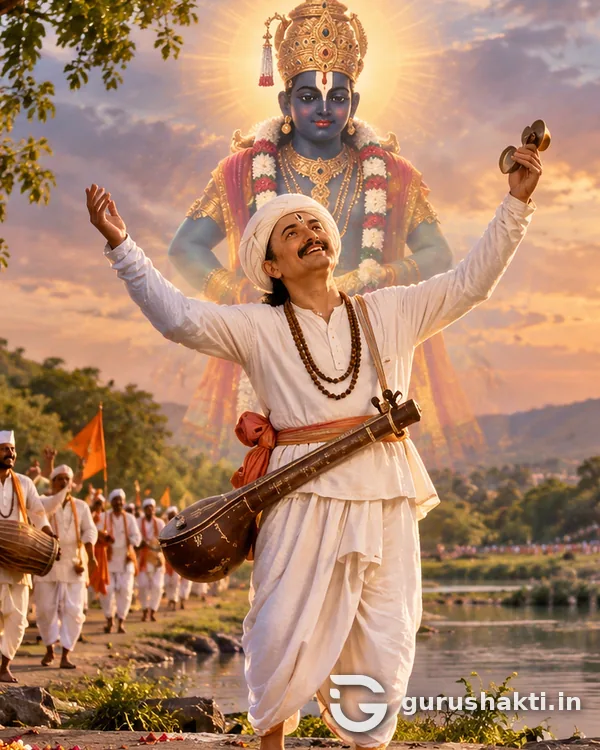
Whoever calls the troubled his own is a true saint, and God is right there.
Read the life →In a century of colonial rule, these masters renewed the old paths from within: a wandering yogi of Bengal, a silent yogi on the Varanasi ghats, a householder teacher of Kriya Yoga, the priest of Dakshineswar and the Holy Mother, the fakir of Shirdi, and the monk who carried Vedanta to the West.
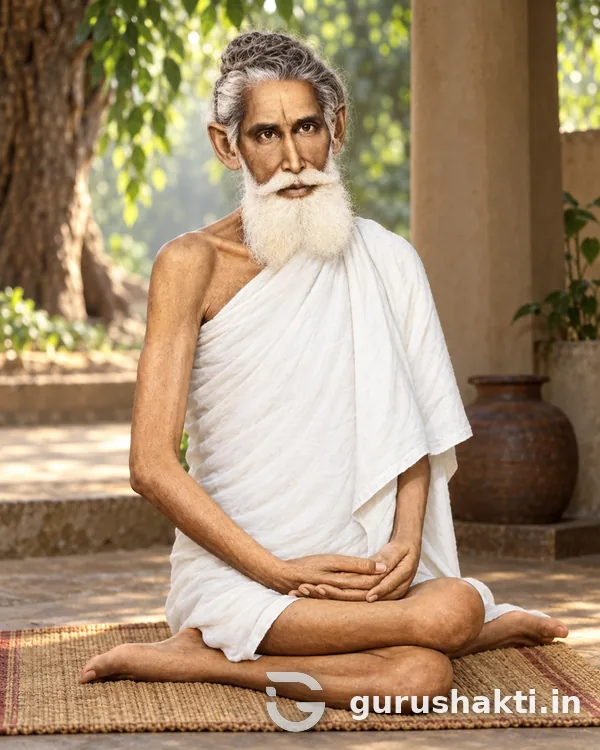
God dwells in every creature, so feed the bird and the hungry person with the same care.
Read the life →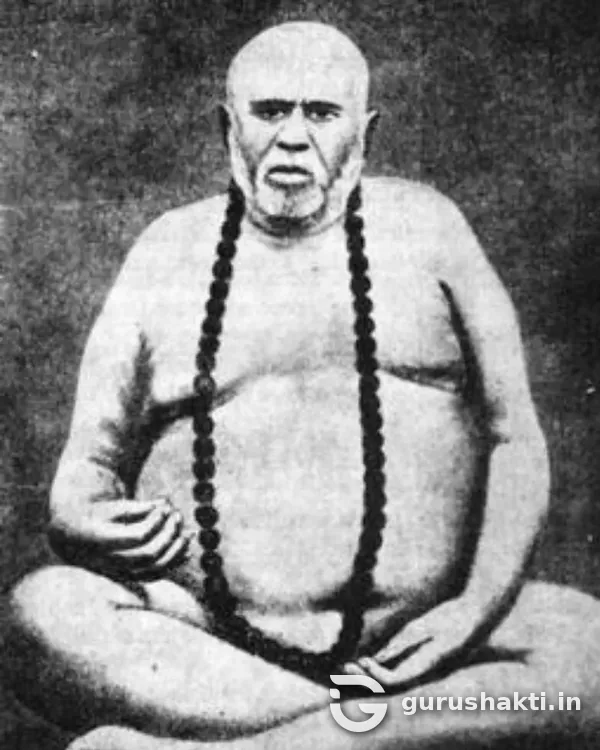
The same Divine lives in every being and every atom, so harm to another returns to oneself.
Read the life →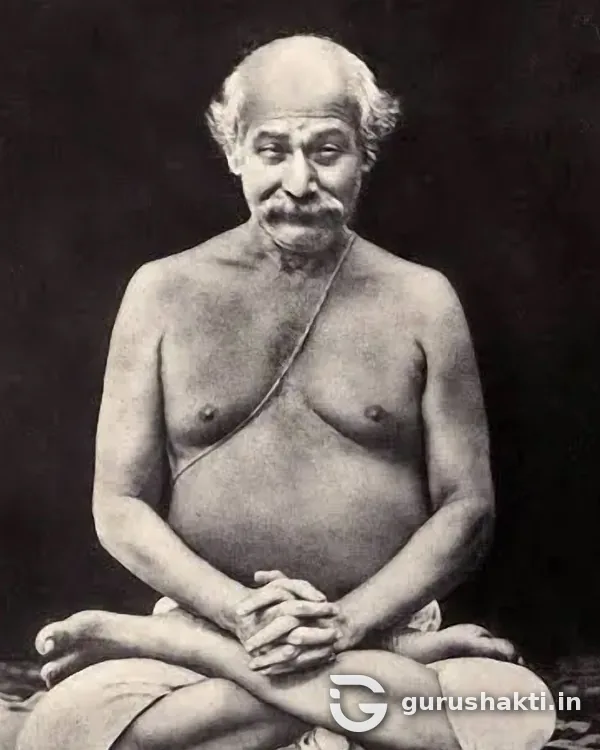
A householder with a job and a family can reach God through steady daily practice of Kriya Yoga.
Read the life →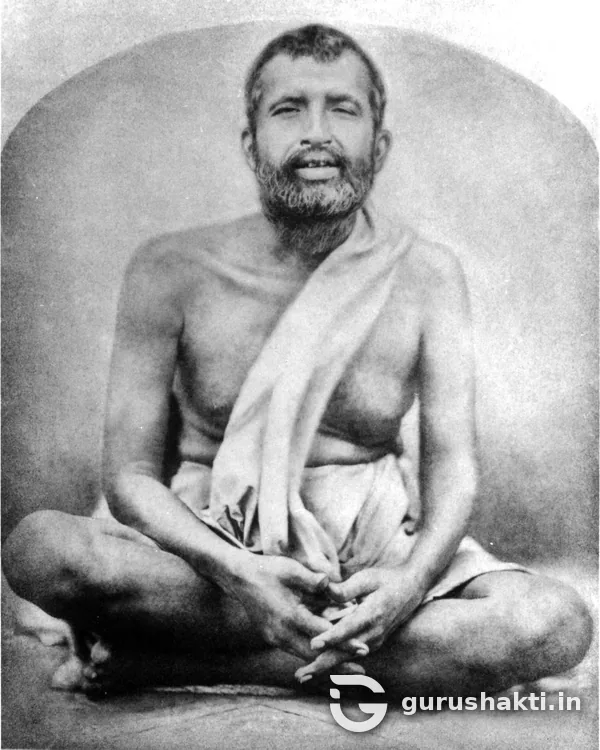
As many faiths, so many paths: God can be seen and known by anyone who longs for God.
Read the life →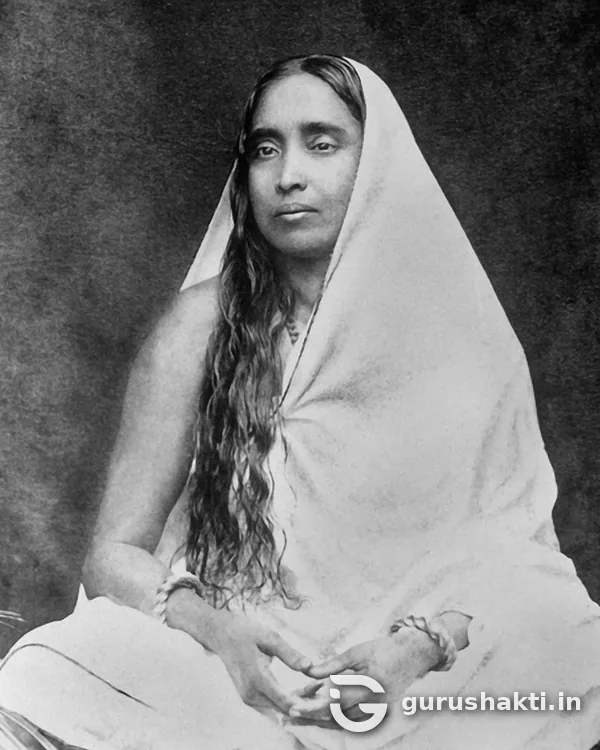
If you want peace of mind, do not find fault with others; make the whole world your own.
Read the life →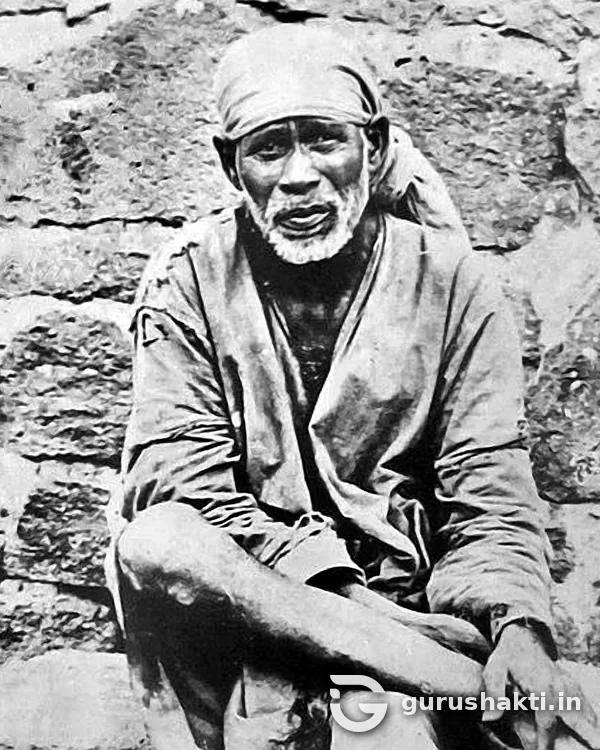
Every seeker must offer two coins: shraddha (faith) and saburi (patience).
Read the life →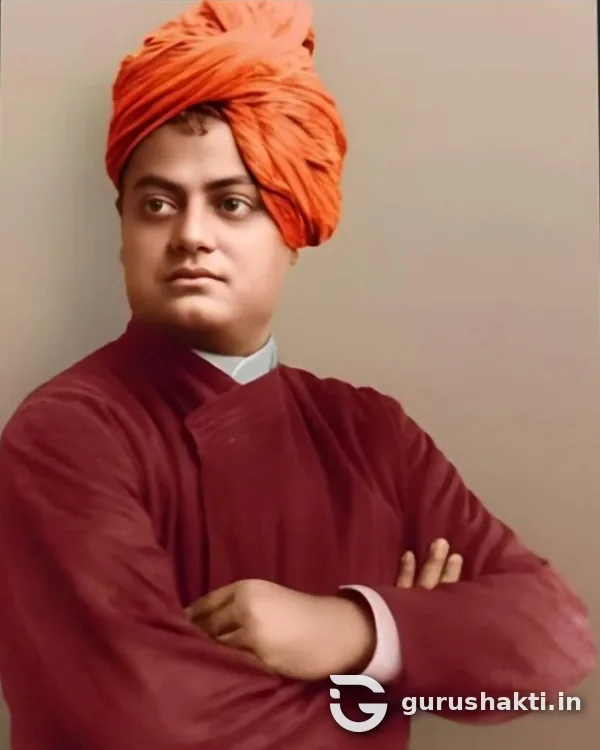
Each soul is potentially divine; serving the poor is serving God.
Read the life →Teachers of a changing India and a wider world: self-enquiry at Arunachala, yoga from Rishikesh, Kriya Yoga in America, Krishna bhakti carried across the ocean, and quiet grace in the Kumaon hills and at Chhattarpur.
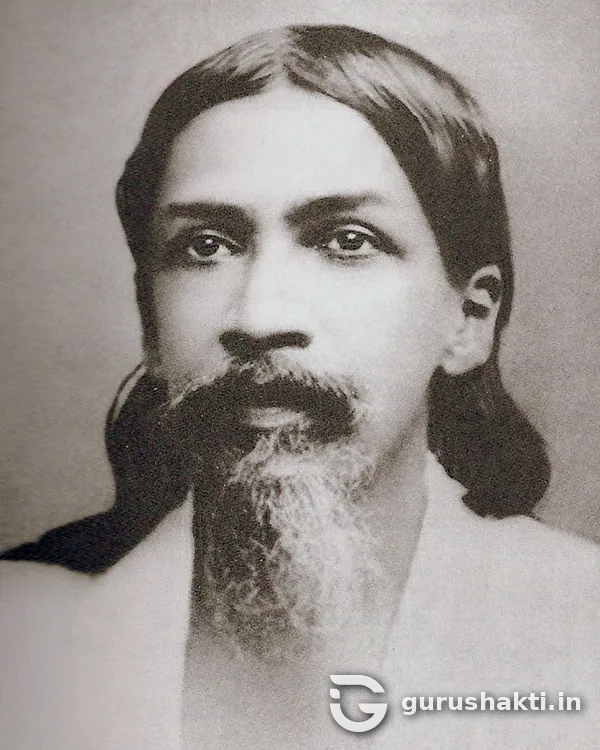
All life is Yoga; the aim is not to escape the world but to change our consciousness and bring the divine into it.
Read the life →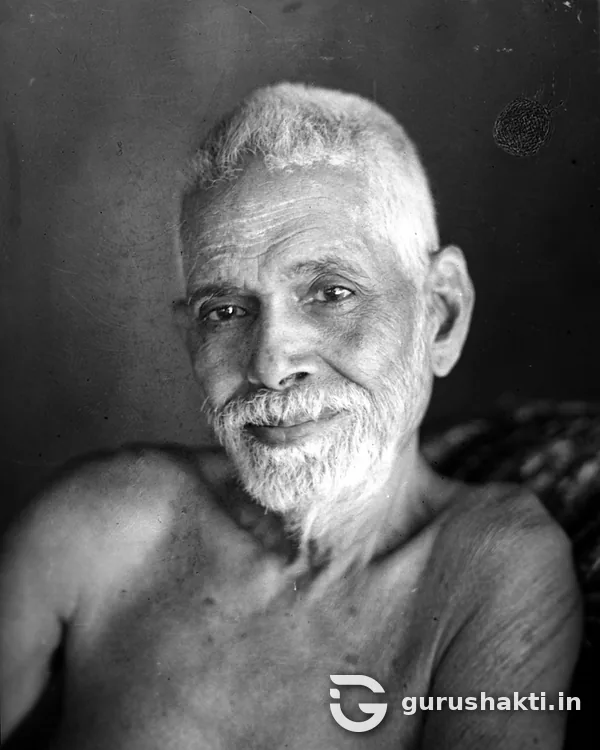
Ask "Who am I?" and rest in the Self, where happiness already is.
Read the life →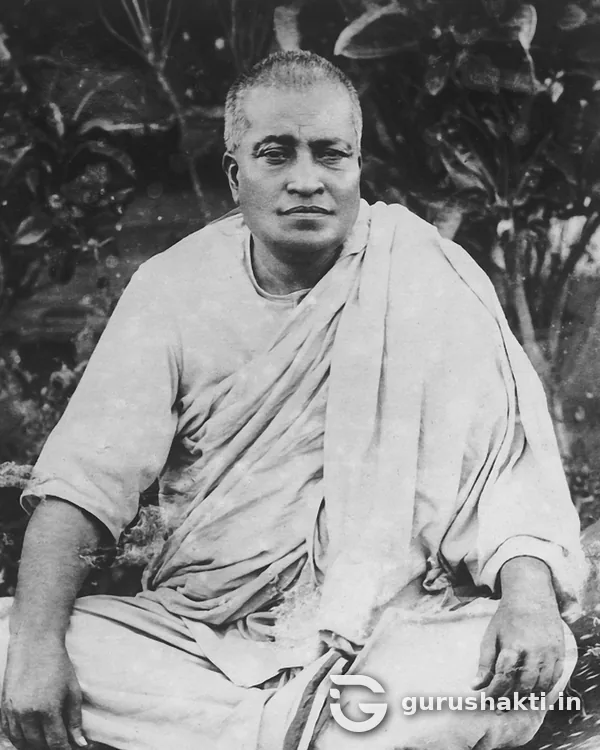
Serve, Love, Give, Purify, Meditate, Realise.
Read the life →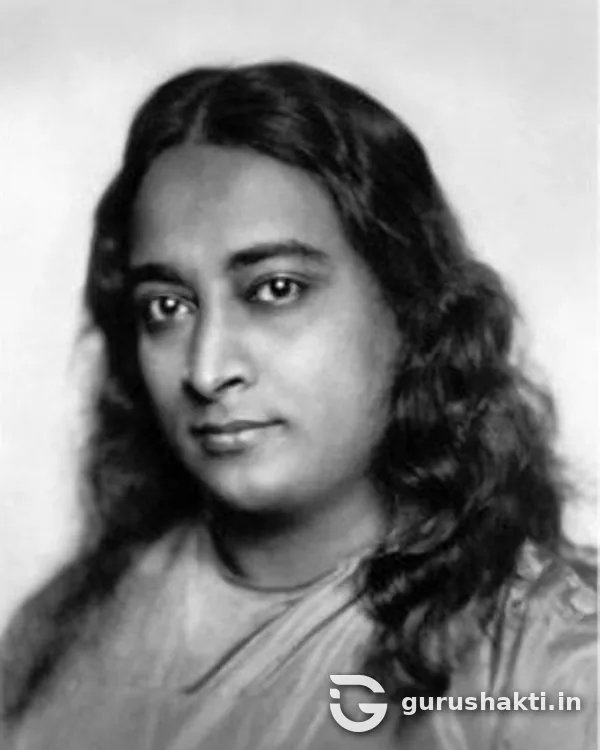
Meditate daily and come to know, in body, mind and soul, that you are one with God.
Read the life →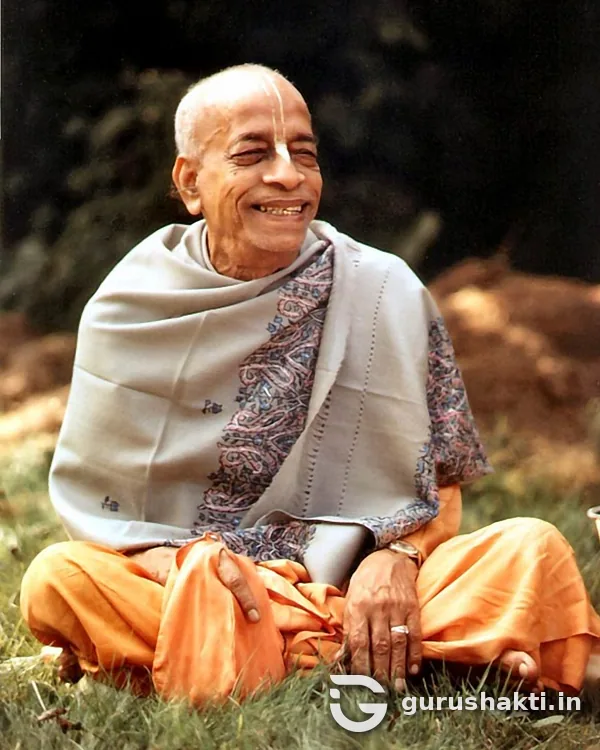
Chant the holy name, offer your work to Krishna, and share what you have received.
Read the life →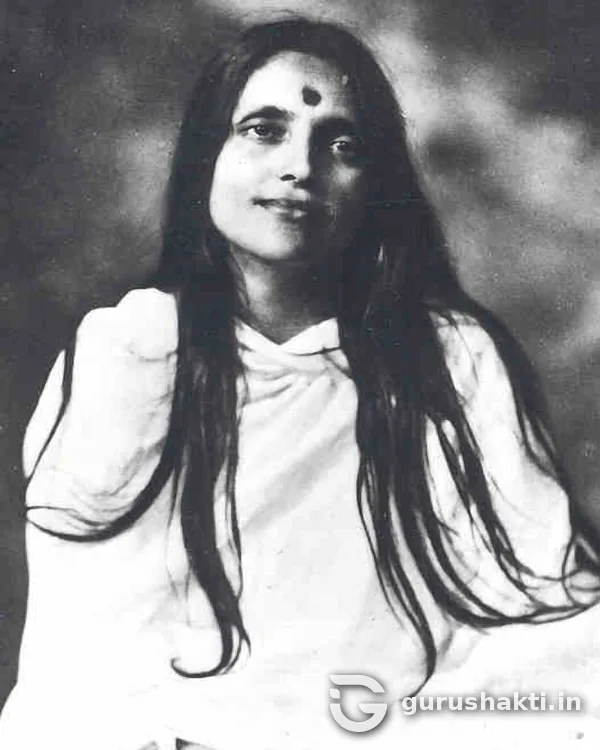
Know yourself, and that is knowing God.
Read the life →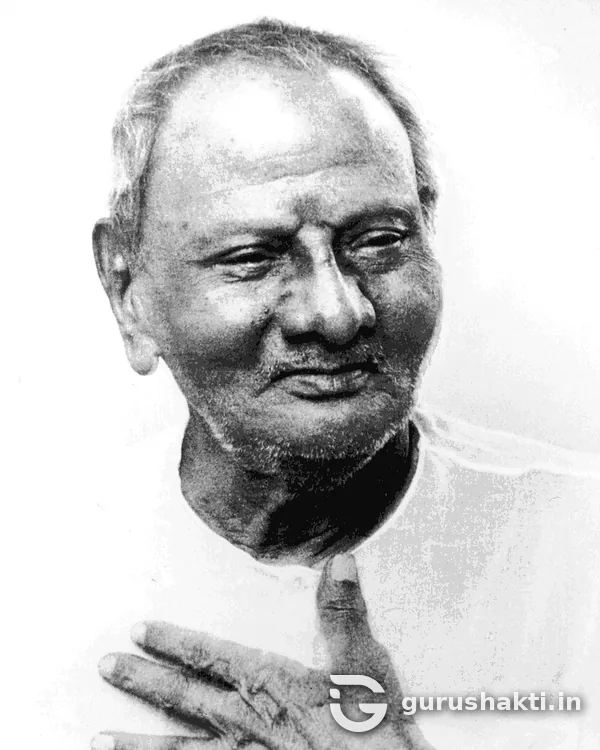
Stay with the plain sense "I am", and see that you are not the body or the mind.
Read the life →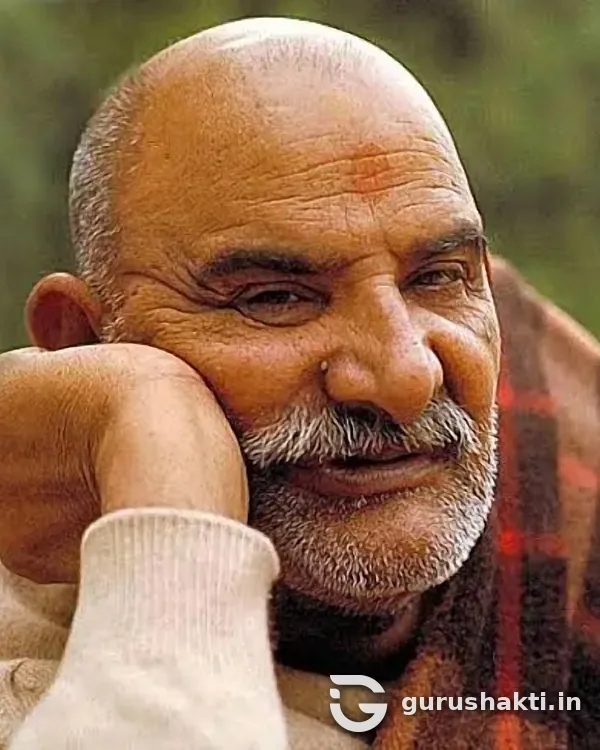
Love everyone, serve everyone, feed everyone, and remember God.
Read the life →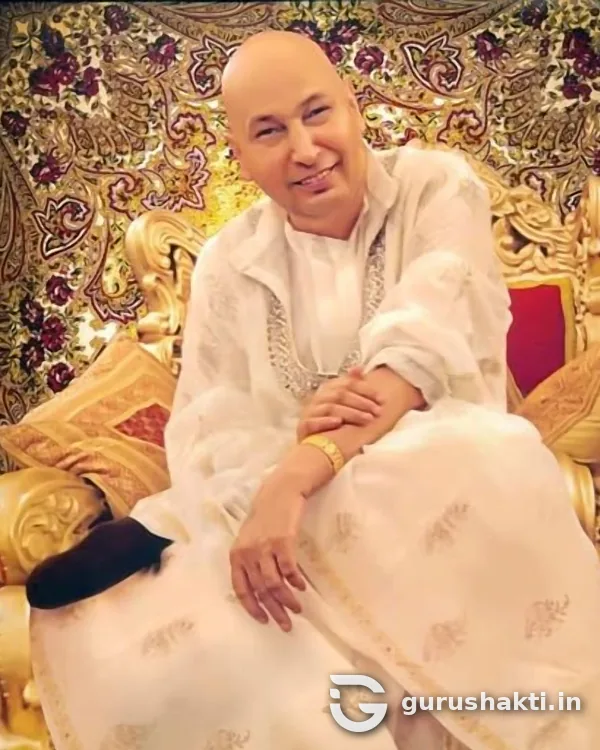
Say shukrana, thank you, for whatever the day brings, and live simply.
Read the life →Teachers whose work continues now, from Vrindavan to Bengaluru and Coimbatore.
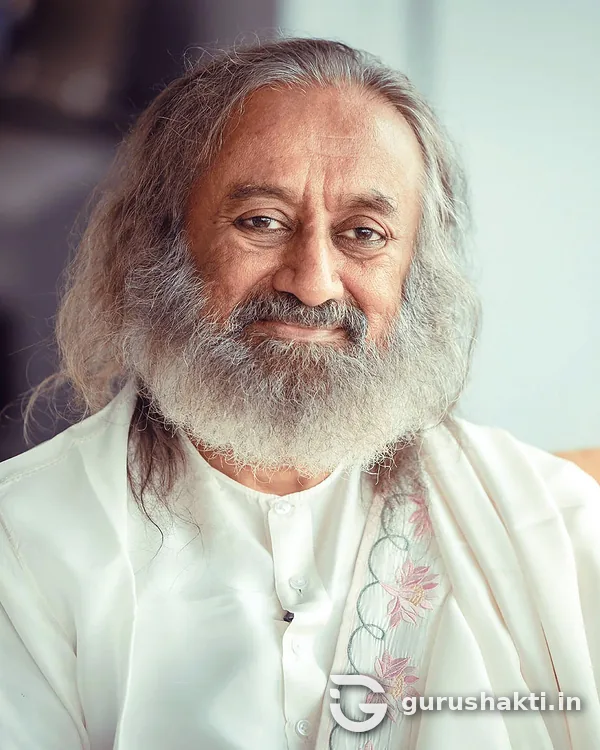
Bring inner silence into daily life, serve because service is needed, and work for a world without violence.
Read the life →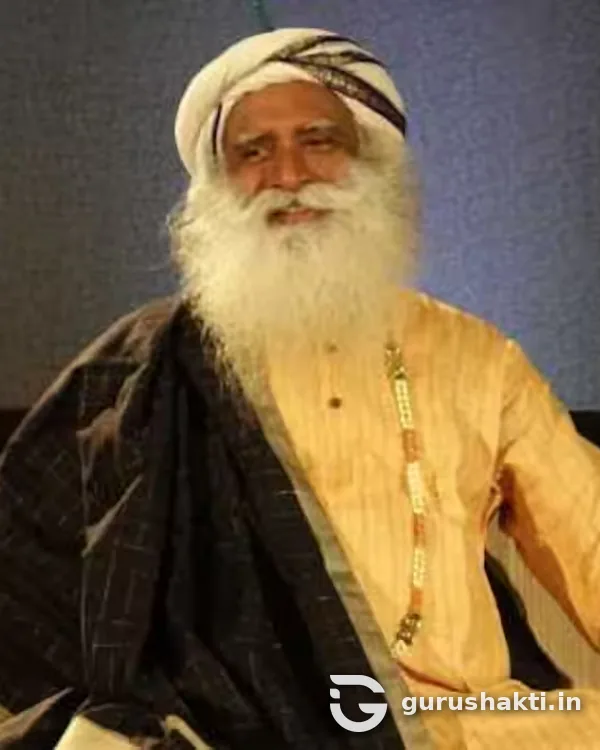
Yoga is a technology for inner wellbeing, open to anyone willing to use it, whatever they believe.
Read the life →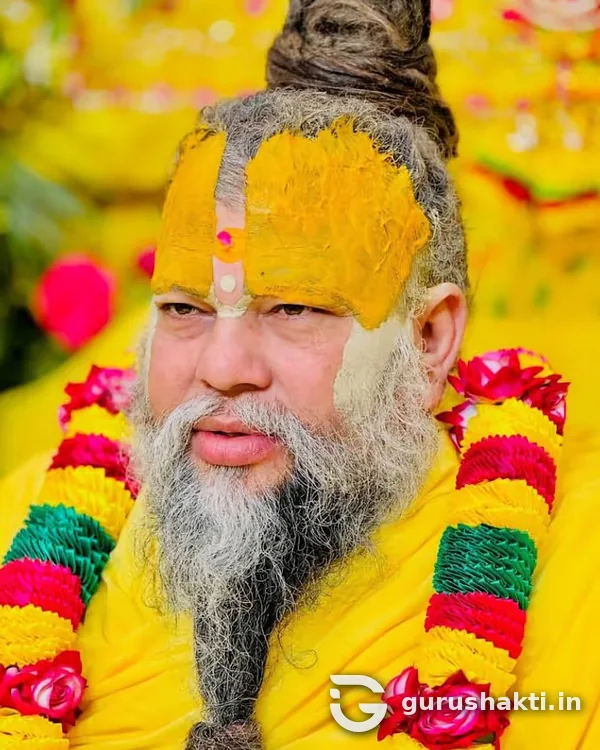
Remember the Name of Shri Radha with love, do your duty sincerely, and leave the outcome to God.
Read the life →Their languages, centuries and methods differ. Read them side by side and the same few instructions keep returning.
Kabir, Chaitanya, Tulsidas, Neem Karoli Baba and Premanand Ji all return to naam: the simple, repeated remembrance of God's name, available to anyone, anywhere, at no cost.
Vivekananda's service of the poor, Guruji's langar, Basavanna's dasoha and Neem Karoli Baba's "feed everyone" all say that worship and service are one act.
Ramana asked "Who am I?". Nisargadatta held to the bare sense "I am". Singing bhaktas and silent yogis alike place God inside the seeker, not far away.
Ramanuja, by tradition, called the secret mantra out to all from a temple tower, Basavanna welcomed devotees of every caste, and women, as equals, and Sarada Maa called herself mother of the virtuous and the wicked alike.
At Gurushakti we try to keep to the same three: Naam, Daan and Seva. The Name, giving, and service.
You do not need a pilgrimage or a ceremony to begin. Start with the Name, a few minutes a day. When you want company on the way, our bhajans, mantras and pujas at small ancient temples are here.
No honest list can name one. Each tradition holds its own saints in the highest regard, and the mystics themselves rarely compared one another. This collection presents 25 widely revered figures side by side, without ranking, so you can meet each on their own terms.
We looked for depth of realisation as remembered by their traditions, a living lineage or practice that continues today, and breadth across centuries, regions and paths: bhakti, Advaita and Vedanta, yoga, and the Nath tradition. The series focuses on the Hindu tradition.
Devotees recount miracles around many of them, including Neem Karoli Baba, Sai Baba of Shirdi and Trailanga Swami. On each page we tell these stories as devotees tell them, and we keep them separate from documented history.
Yes. This collection includes Mirabai, Sri Sarada Devi and Anandamayi Ma, each a teacher and saint in her own right.
Pick the life that draws you, read it slowly, and try one of the daily principles at the end of the page for a week. Many readers begin with Neem Karoli Baba, Swami Vivekananda or Ramana Maharshi.